
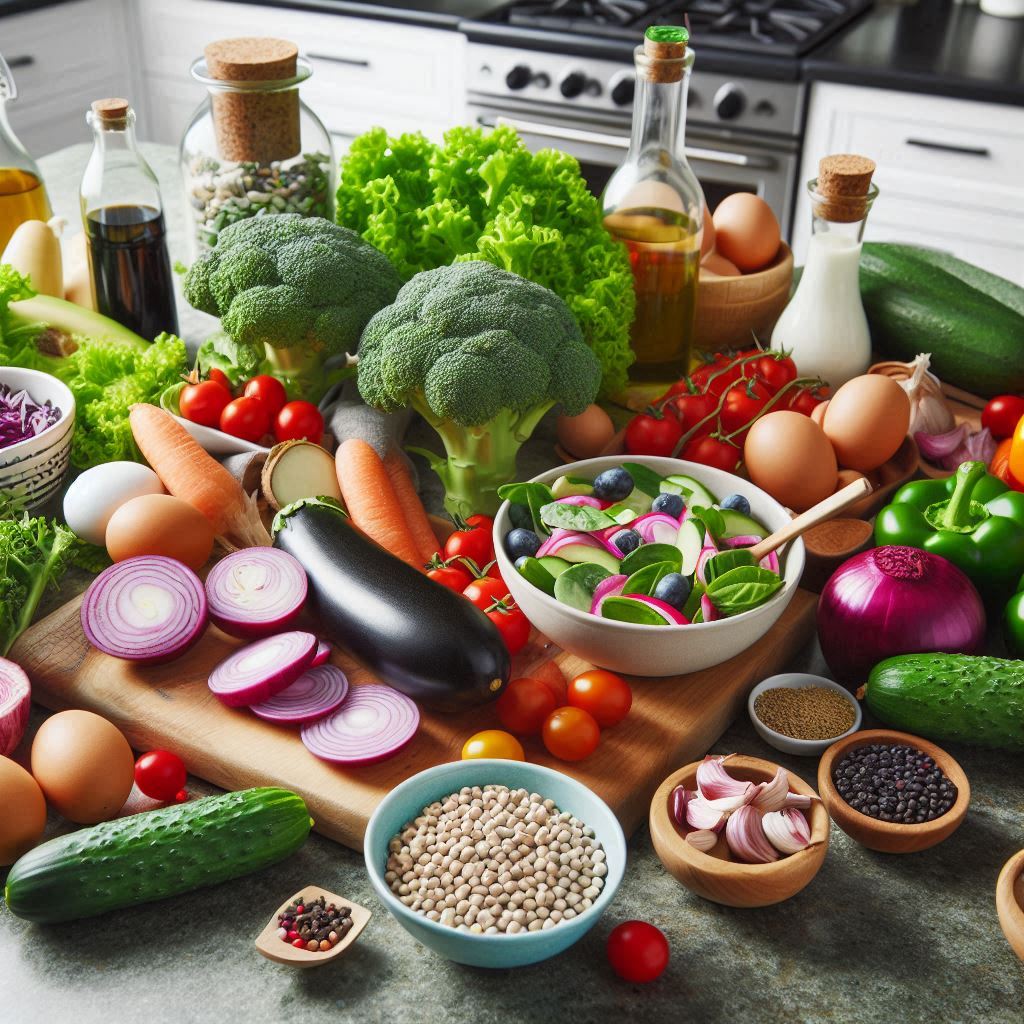
We are going back to the basics: your goal is to eat REAL food. Your body knows how to process and absorb nutrients from real – whole food. Stick to these simple guidelines to eat a nutrient dense diet. The goals is to obtain all, or as much as you can of daily nutrients from food sources.
Do’s:
- Eat 80% for nutrition and nourishment and 20% for taste. You’re a grown up, eat like one!
- Eat whole (real) foods. If packaged; minimal plain ingredients. No preservatives.
- Colorful organic fruits and vegetables. As much organic as possible 80-100%, 3-5 servings per day for adequate antioxidants and fiber.
- Meat and eggs. Grass fed, free range, no antibiotics or hormones. The best meats for nutritional value are organ meats like liver.
- Fermented foods. kefir, yogurt, kombucha, sauerkraut. These foods can help balance your gut bacteria. However, not everyone does well with fermented, as they are high in histamines. If you experience issues, try a different fermented food or remove them from your diet and try again later.
- Natural fats and oils. Ghee, butter, tallow, lard, extra virgin olive, palm & coconut oil. Aww, yeah, brain food!
- Organic and non-GMO grains. If you can tolerate grains, some folks cannot. Most modern grains are hybrids or GMO’s selected for ease of farming, these are often hard to digest. Heirloom varieties like einkorn wheat are a better choice. Soaking and sprouting grains also helps to improve nutritional value and digestion.
- Natural sweeteners: honey, maple syrup, xylitol, stevia. Moderation is key.
Don’ts:
- Fast food and low quality restaurant food. Most restaurant food is highly process. Fried foods are the worst offenders. If you eat out make it a treat or find a farm to table restaurant that serves real food.
- Soda, sports drinks, energy drinks, etc. These drinks are high in sugar and/or artificial sweeteners and other chemicals. They have little to no nutritional value. The liver must use vital nutrients to breakdown and remove the sugars and chemicals.
- Packaged and processed foods. Especially name brand foods like Cheerios, Lays, Kraft, Nestle, etc. Most commercial manufactures use low quality ingredients to maximize profits. Look at the label, if you don’t know what an ingredient is, it’s probably not good for you, or may not even be food.
- Pasteurized dairy. Pasteurization depletes enzymes and nutrients necessary to digest dairy. Many adults struggle to digest dairy because it really is food for a baby – to grow quickly. Babies produce the enzyme renin which is needed to digest the protein (casein) in milk, however adults do not produce this enzyme. Traditionally most dairy was consumed fermented or as aged cheeses (renin is added to the cheese process).
- Non-organic and GMO foods. Several conventionally grown foods including, corn, soybeans, potatoes, papayas, canola and salmon, to name a few are genetically modified for ease of farming, not for nutritional value. Conventionally grown plants are also often low in nutrients because of modified farming practices that use nitrogen fertilizers instead of animal manure. Also, most conventionally grown food and grains are sprayed with herbicides and pesticides.
- No highly processed vegetable oils: corn, soy, canola, safflower, grapeseed, sunflower, and cottonseed. These Highly processed oils go through a heavy chemical extraction process. They are devoid of nutrients, often rancid and very difficult for the body to breakdown. Stick with naturally oily plants like olive, coconut, palm and animal fats.
- Daily coffee and alcohol. Alcohol is very taxing on the liver. Over time it depletes glutathione and other antioxidants necessary for the breakdown of toxins. Daily and extended use of caffeine is very taxing to the adrenal system, over time it can stress the adrenal glands and can leave you chronically fatigued. Drinking them occasionally can be okay, but avoid daily or heavy use. If you are chronically ill it is best to remove them from your diet.
- Artificial sweeteners, preservatives and food coloring. Synthetic products made in laboratories are not recognized as food in the body. The liver must use vital nutrients to breakdown and remove the chemicals.

Your article helped me a lot, is there any more related content? Thanks!
Yes, you can learn more with the Balanced Nutrition Guide
https://www.traditumbalance.com/2025/10/23/balanced-nutrition-guide/
Thanks for sharing. I read many of your blog posts, cool, your blog is very good.